Our ecosystem
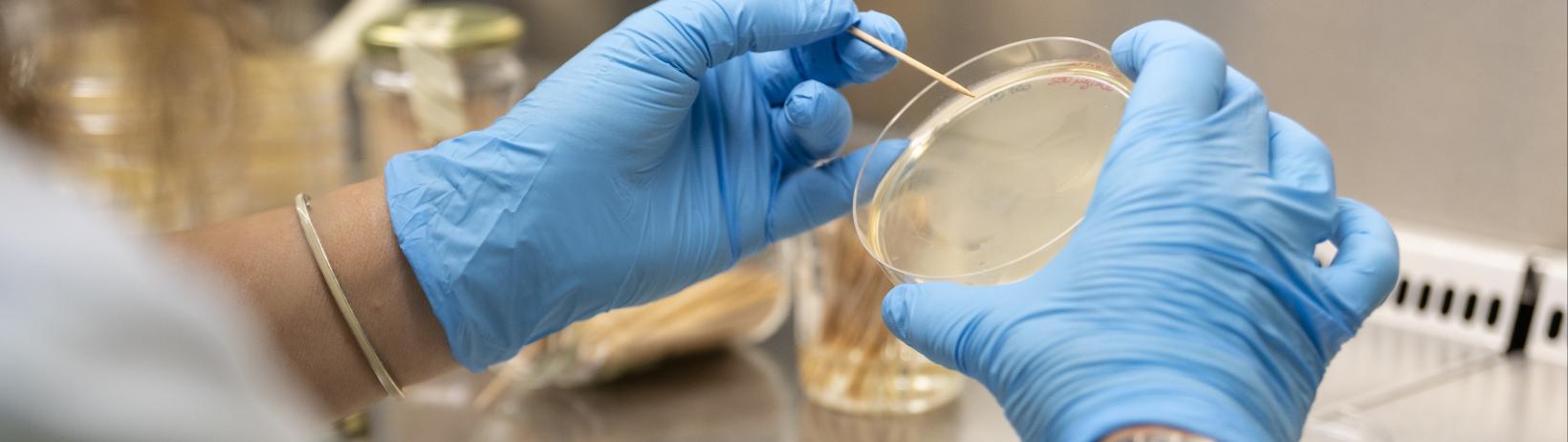
Using cutting-edge technologies, some of which are unique in France, sixty engineers who are experts in their field are committed to research, training and innovation. These platforms are used to:
- culture a wide range of organisms,
- produce and purify different types of biomolecules,
- reveal their interactions, dynamics and structure,
- observe living organisms using imaging,
- conduct large-scale multi-omics studies for in-depth analysis and understanding of biological systems.
Watch the videos about our laboratory platforms:
Overview of all of the platforms
#1 - Omics
#2 – Biomass production
#3 - Protein production
#4 - Molecular interactions
#5 - Structural analysis
#6 - Imaging
Our actions
By supporting the network of technology platforms, the IM2B increases the visibility of a remarkable technology offer, which meets the research and training needs of the scientific community and which strengthens the professionalism of our students. Structured around technology clusters, these infrastructures also constitute an essential link in the transfer of technology to industrial partners, by contributing to the carrying out of research contracts, partnership collaborations and the provision of services.
The IM2B leads the following initiatives to promote the platforms:
- Organisation of technical “METHODS” seminars to regularly inform our members of new techniques and to promote interdisciplinary collaborations
- Development of e-learning materials (tutorials) to promote the open-access use of facilities
- Funding of master’s 2 internships on technology platforms
- Support for training in cutting-edge technologies (master’s and PhD level)
- Investment funding for educational innovation on technology platforms
In addition, the IM2B leads the TRaIN (Training Research and Innovation) project with TRIPs accreditation (Training and Research Interdisciplinary Platform) in the context of the TIGER (Transform and Innovate in Graduate Education with Research) project. TRaIN proposes practical and top-level interdisciplinary training in the IM2B’s field of research: “the study of microorganisms, from the molecule to ecosystems, and its applications”. It draws on the IM2B’s network of technology platforms.
Calls for projects and offers
Calls for projects and other opportunities, awardee catalogue, current and future initiatives...
Testimonials

IM2B financed my M2 chemistry internship, which I carried out between the "Protein Expression Facility" (PEF) technology platform and the "Bioenergetics and Protein Engineering" Laboratory (BIP). This work enabled me to acquire interdisciplinary skills that are in line with my professional project at the chemistry-biology interface, in particular as part of my PhD at BIP.