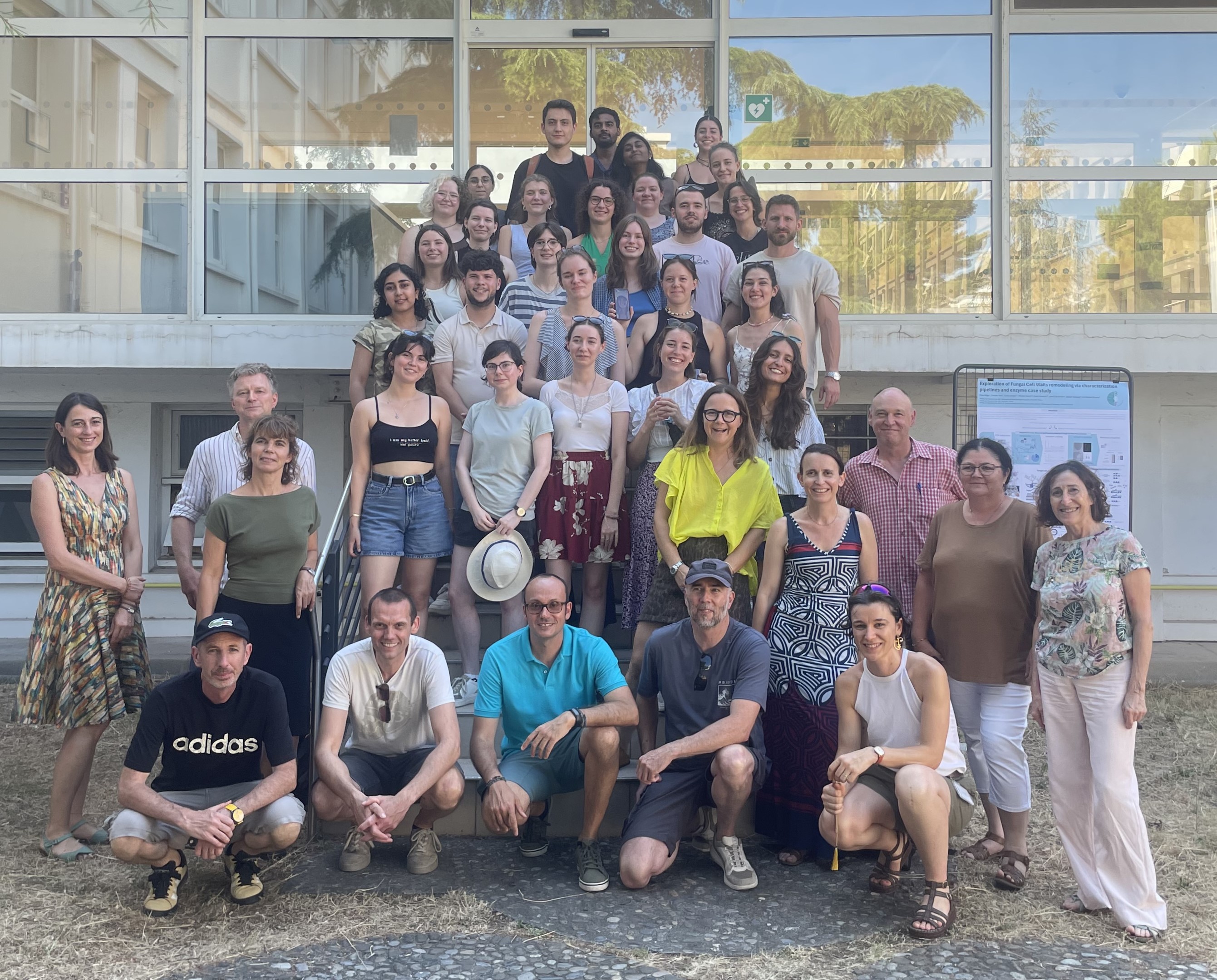
From July 6 to 10, 2026, the International Summer School on Molecular Microbiology was held in Marseille. This initiative, organized as a Blended Intensive Program (BIP), was supported by the Institute of Microbiology, Bioenergy, and Biotechnology (IM2B), as a part of its project TRIP TRaIN (Training Research and INnovation). Through a combination of theoretical lectures, hands-on lab work, and scientific meetings, this week allowed European master’s students to discover new approaches and forge lasting connections within the scientific community.
This program, led by the faculty of the Master’s in Microbiology program in Marseille (Dorothée Murat, Aurélia Battesti, Laurent Aussel, Cécile Jourlin, and Julie Viala), is part of a European collaboration involving Aix-Marseille University, the University of Namur, and Philipps University of Marburg. Following its inaugural session in Namur in 2024, this year’s Molecular Microbiology Summer School brought together 28 students and about ten faculty members from these institutions, as well as from Toulouse University, to explore the theme of bacterial interactions within microbial communities. Supported by Erasmus+ and by the TIGER project - France 2030, this Blended Intensive Program (BIP) offered an immersive training experience combining hands-on laboratory work, scientific presentations, and an introduction to IM2B’s technological platforms. Participants were thus able to experiment with different approaches in microbiology and proteomics, while becoming familiar with a variety of research environments.
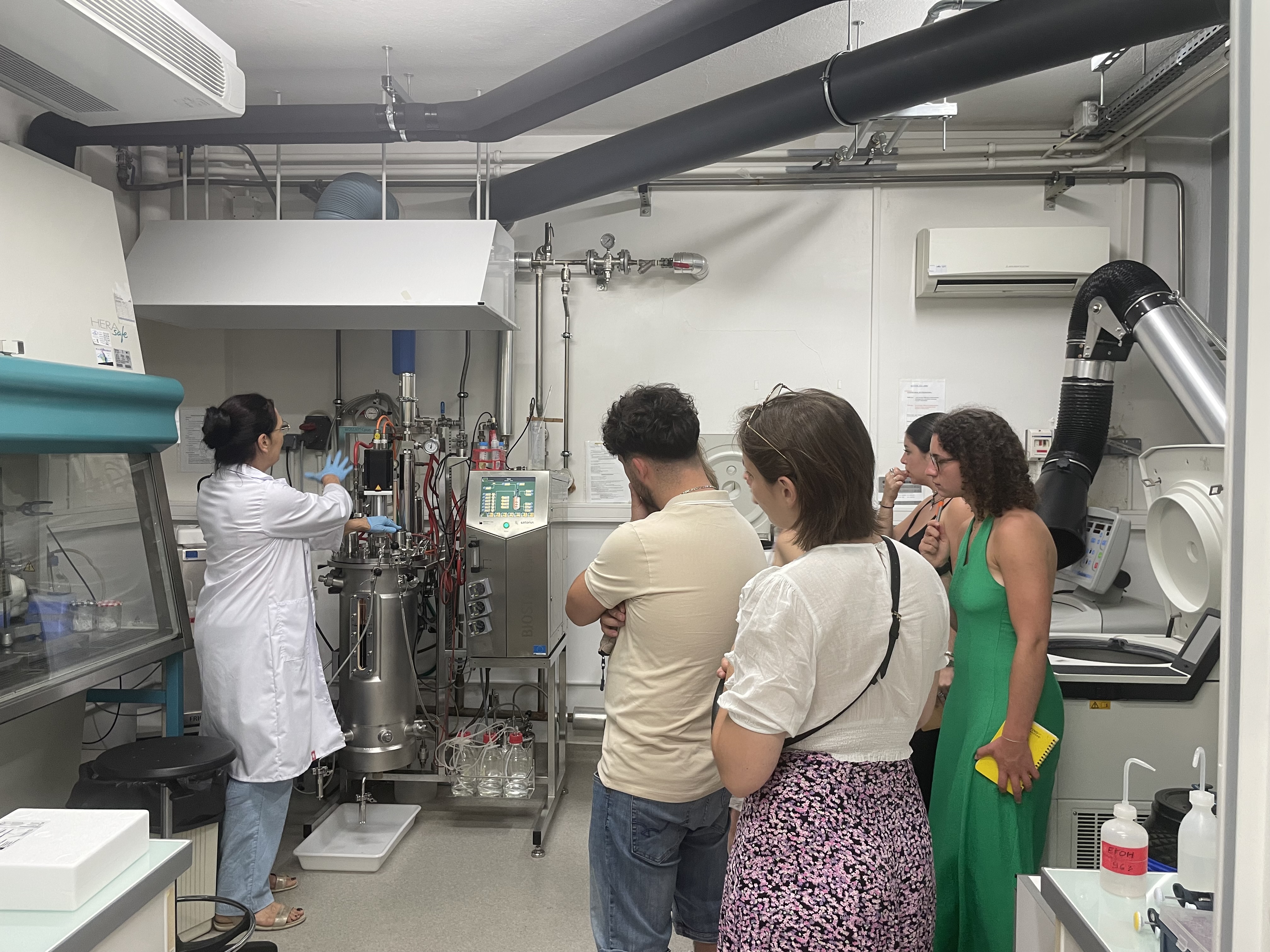
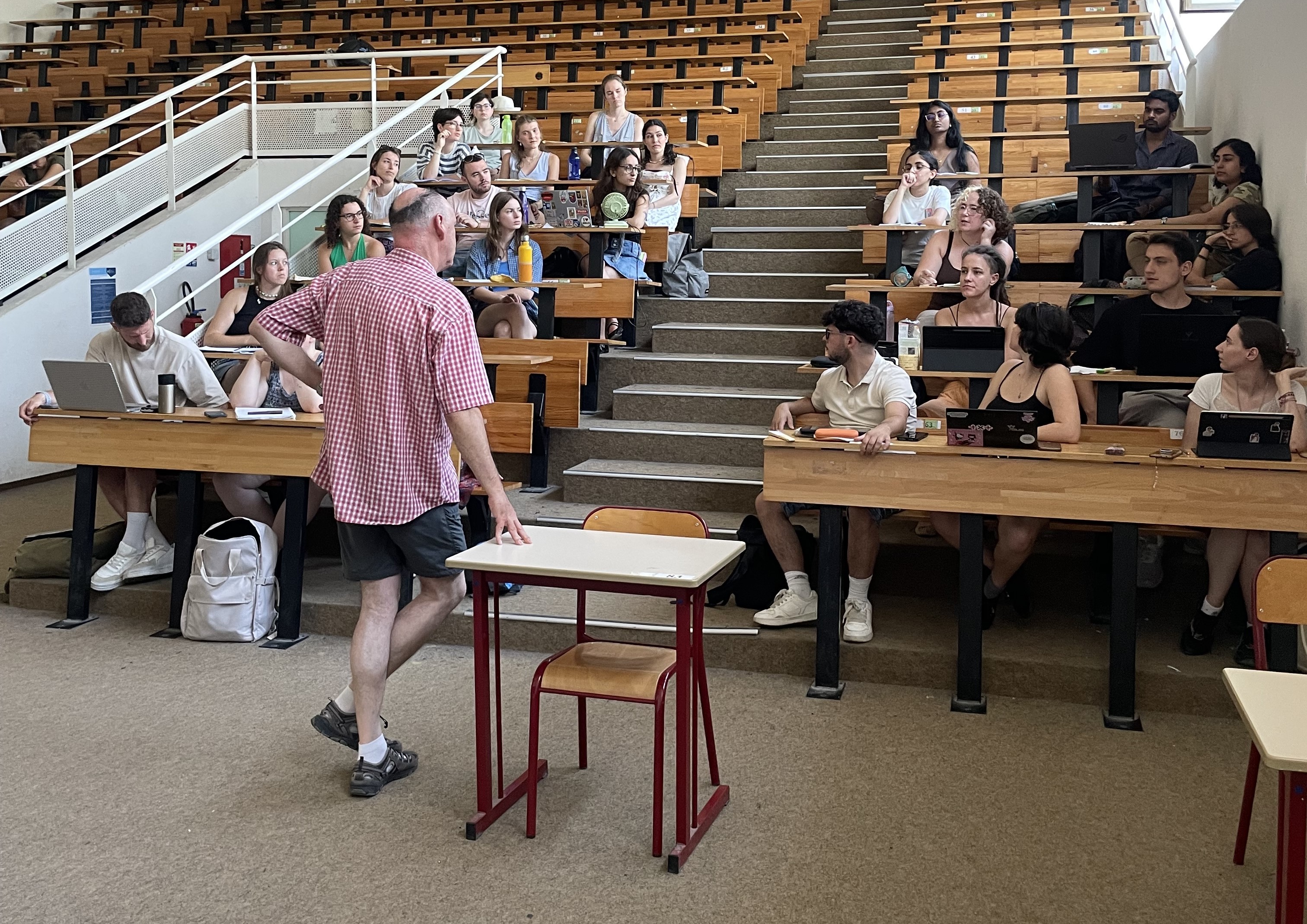
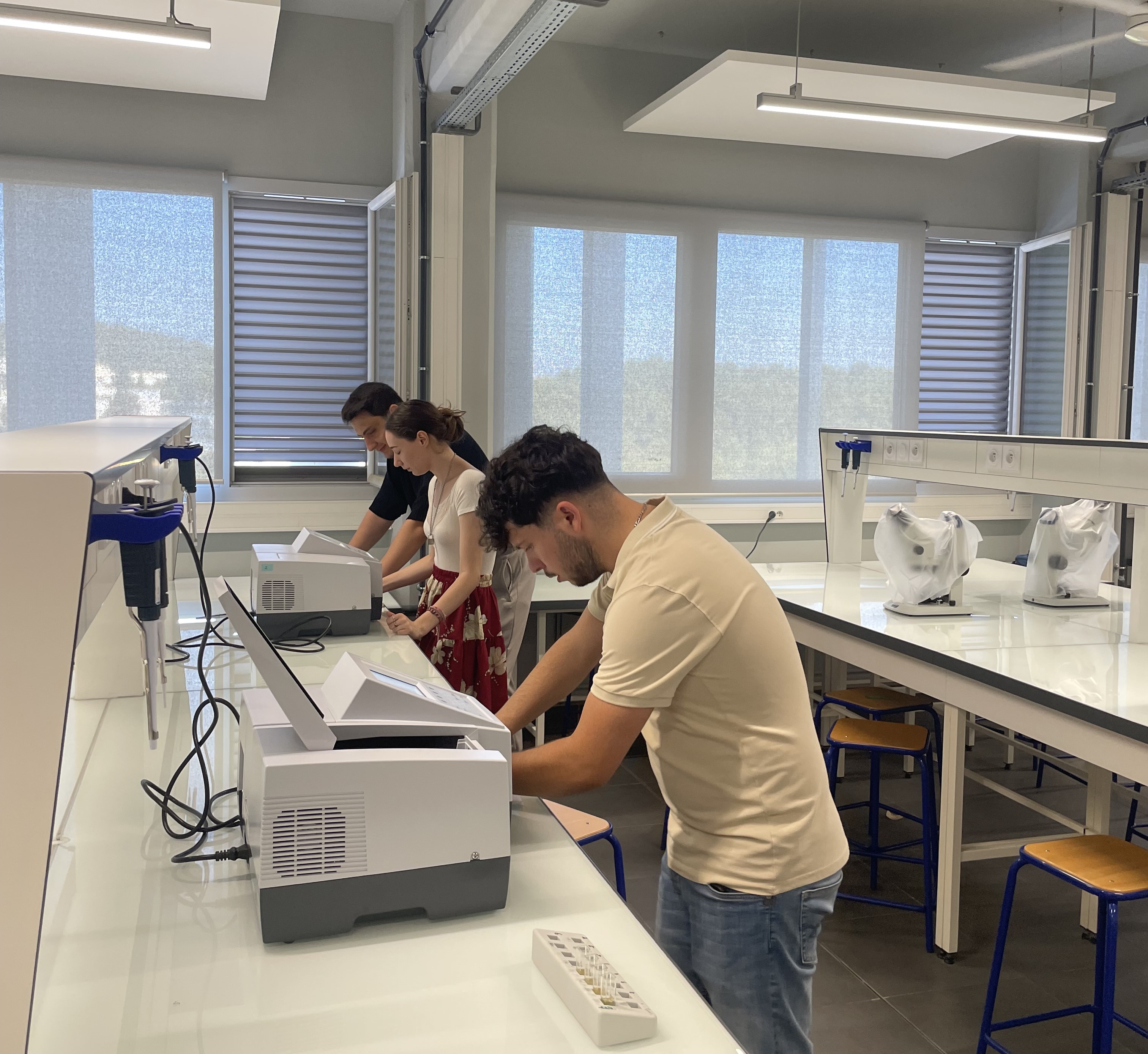
Beyond the scientific learning, this summer school was marked above all by the richness of the human interactions. Lorine and Jeanne, students at the University of Namur, emphasize this essential aspect. “On a personal level, I think it’s really great to meet and talk with new people who share the same passion and common interests. And on a professional level, I find it interesting to meet the microbiologists of tomorrow,” Lorine points out. Jeanne also highlights the value of the scientific content offered: “We attended several lectures, which allowed us to discover what’s being done here in Marseille, and that’s sometimes more accessible than reading the literature.” This view is shared by Xavier De Bolle, a professor at the University of Namur, who emphasizes the importance of these collaborative experiences: “When you work at a single site—whether it’s Marseille, Margburg, or Namur—you’re somewhat limited by the research groups, which are obviously few in number. So having the opportunity to meet others, to see other labs, other approaches, and other technologies—that broadens students’ horizons.” He adds: “I think a scientific career is, almost always, shaped by the people you meet. [...] And so interpersonal relationships in science are extremely important.” This week thus fully illustrates the fundamental role of human interactions—particularly on an international scale—in shaping scientific careers.