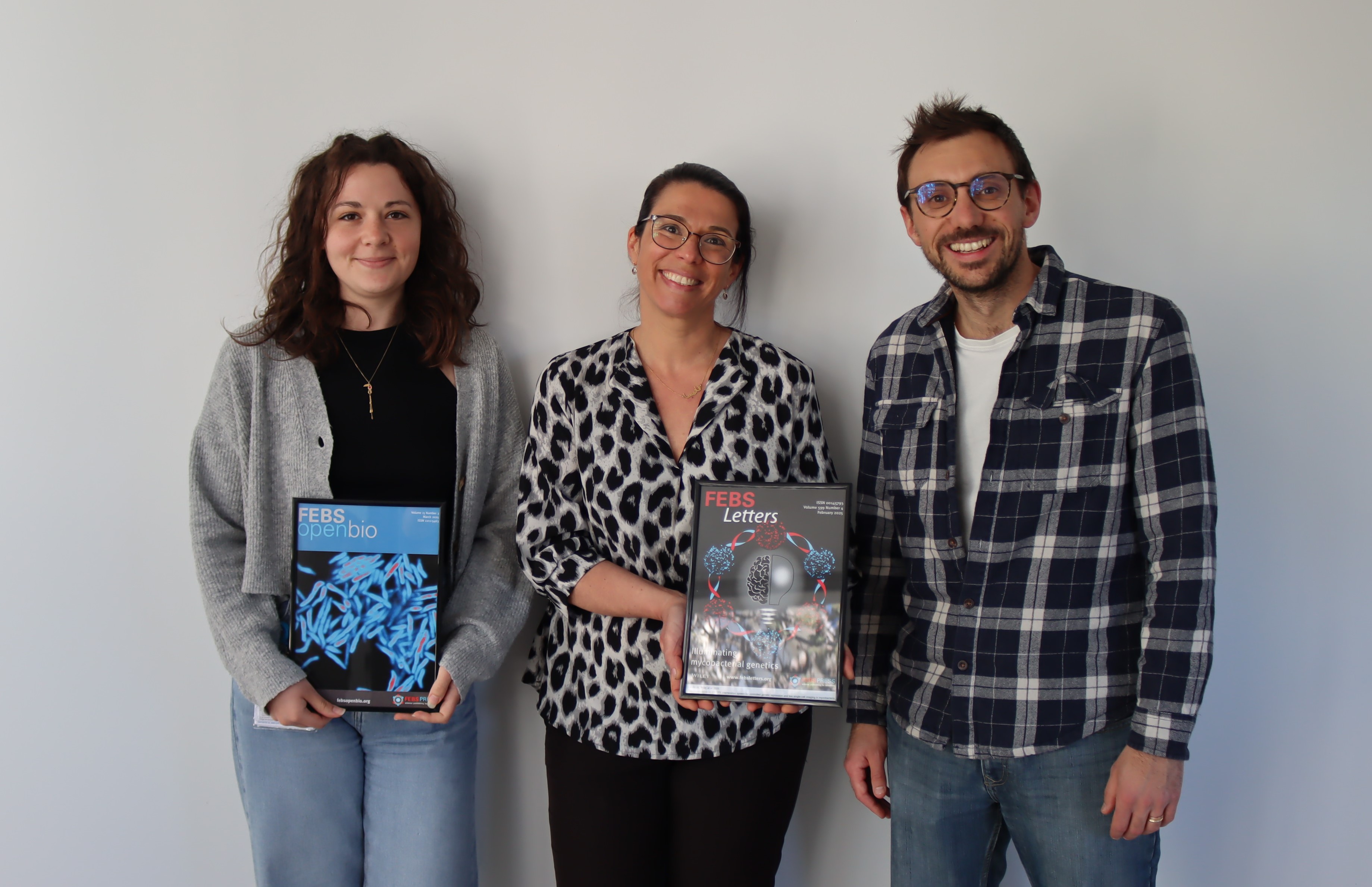
Could you briefly introduce yourself, walk us through your background in microbiology, and explain what drew you to this field?
My name is Pierre SANTUCCI, I’m 32 years old and currently a CNRS research associate (CRCN). I would say that my academic path has been fairly conventional. I first earned a Master's degree in Microbiology from Aix-Marseille University in 2015, then continued with a PhD at the Mediterranean Microbiology Institute (IMM) which is part of the IM2B. After obtaining my PhD in 2018, I completed my training with a postdoctoral stay at the Francis Crick Institute in London in the lab of Max Gutierrez before securing a CNRS position in 2022.
Over the past ten years, I’ve had the opportunity to learn and grow scientifically in fantastic research environments, where molecular and cellular microbiology were at the core of my career path.
Microbiology is a fascinating research field that immerses you in the complex and mysterious world of the infinitely small. For more than 15 years, since my very first steps in a lab, I’ve been captivated by pathogenic species and their ability to outsmart our immune defences. That’s what ultimately led me to focus on the number one bacterial “serial killer,” Mycobacterium tuberculosis, the tuberculosis bacteria.
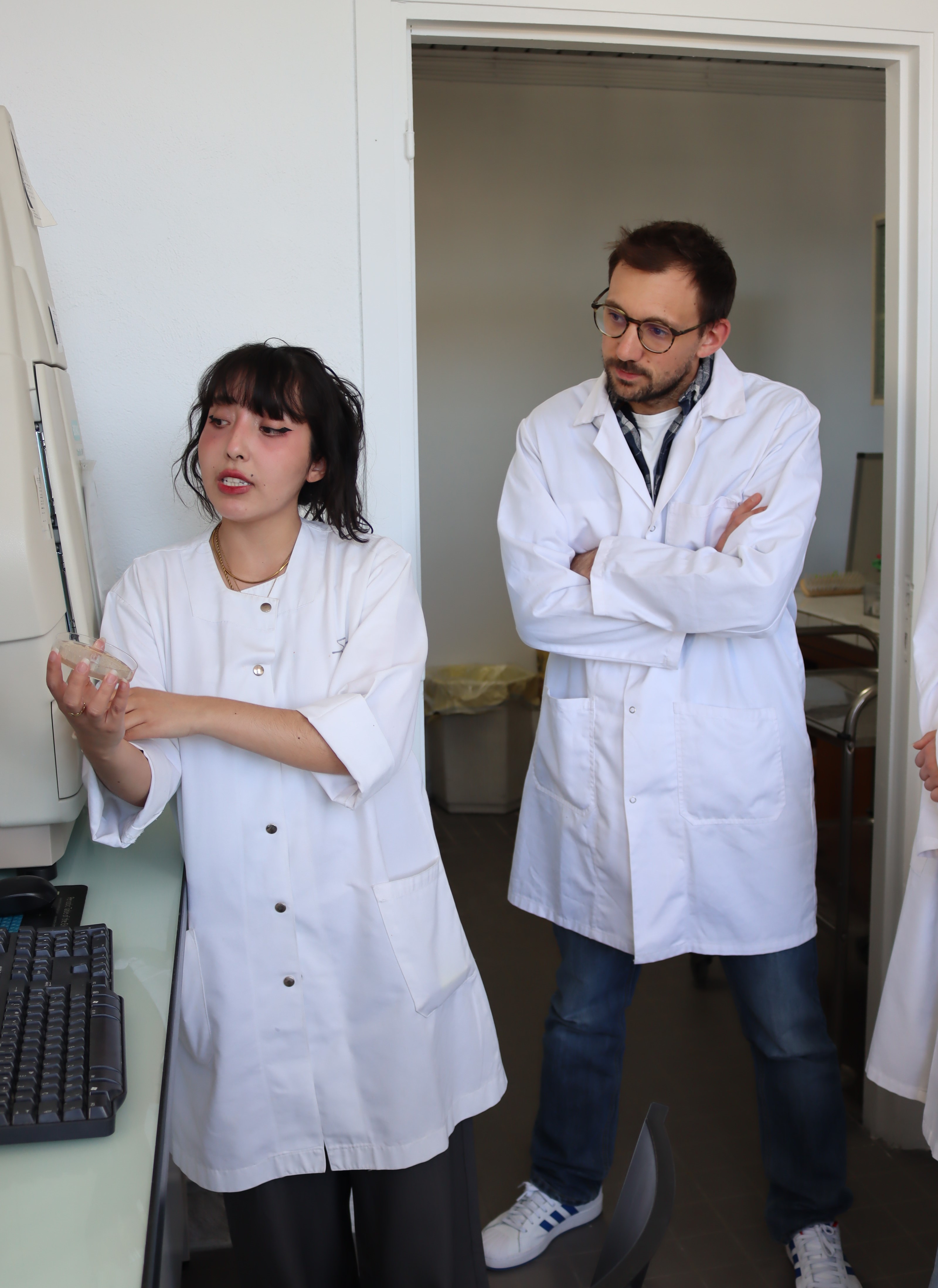
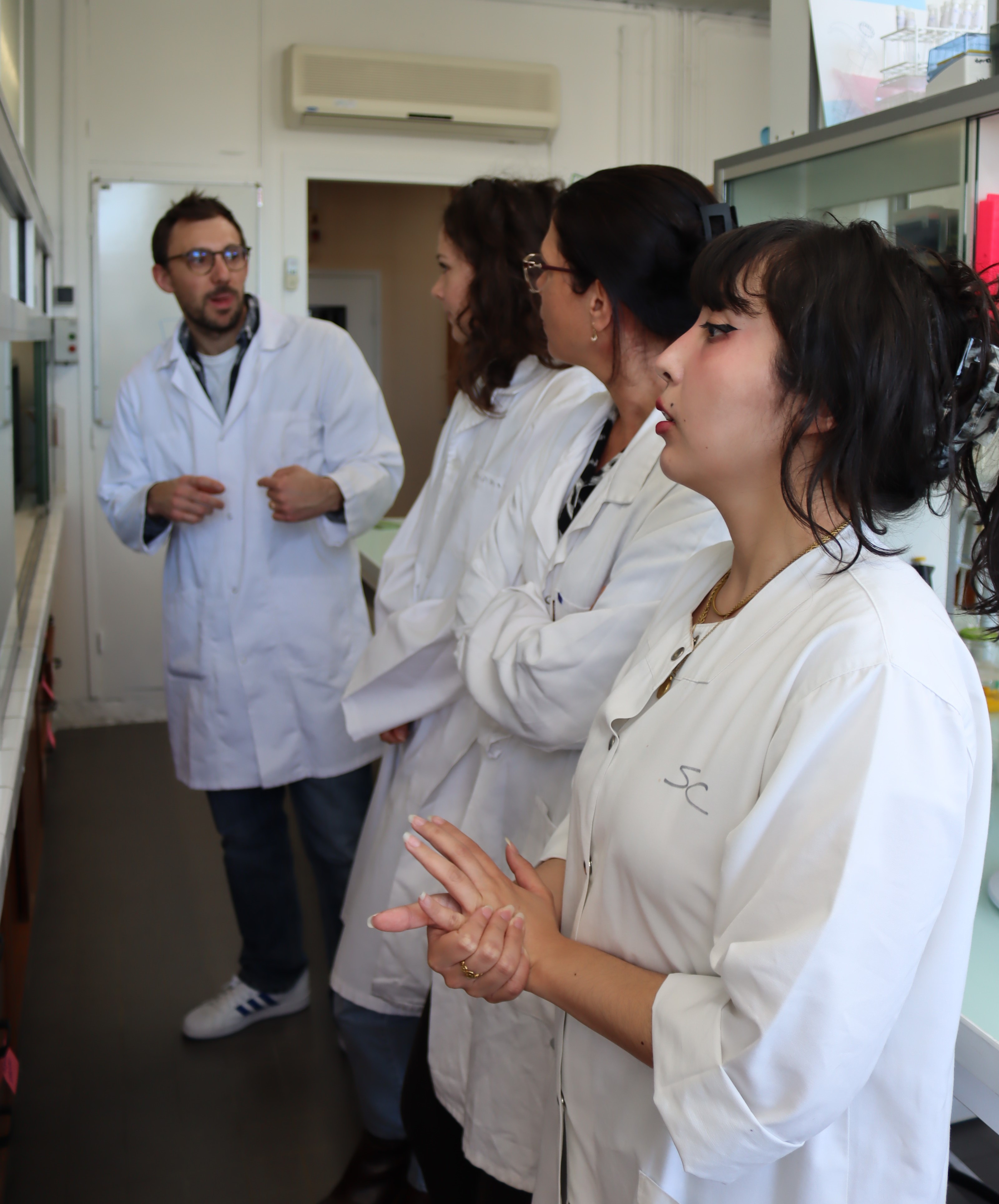
As a recipient of the 2023 IM2B “new comers” call for projects, what research theme were you able to initiate thanks to this funding, and what was its objective?
The IM2B-funded project had two main objectives.
First, we aimed at establishing new genetic engineering approaches in mycobacteria in the lab, based on CRISPRi technology. This innovative technology has recently revolutionized our field of research, and mastering such powerful tools in my group was a priority in order to rapidly address major biological questions. This leads us to the second main objective of the project: understanding why certain anti-tuberculosis drugs require an acidic pH to be effective, and thus attempt to decipher their mechanisms of action.
What has this new research theme brought to LISM and to IM2B more broadly?
I believe there are two main points. First, our biological questions and work on Mycobacterium tuberculosis, as well as the mode of action of certain anti-tuberculosis drugs, are of major biomedical relevance. As a result, our research group—although still very young— is gaining increasing visibility locally, nationally and internationally.
Second, the way we approach these scientific challenges is quite unique, relying on innovative technologies that weren’t necessarily available before in the IM2B. These methods have the potential to attract strong interest from many colleagues at LISM, within IM2B, and more broadly at the national and international levels. It’s therefore a real asset to the scientific community.
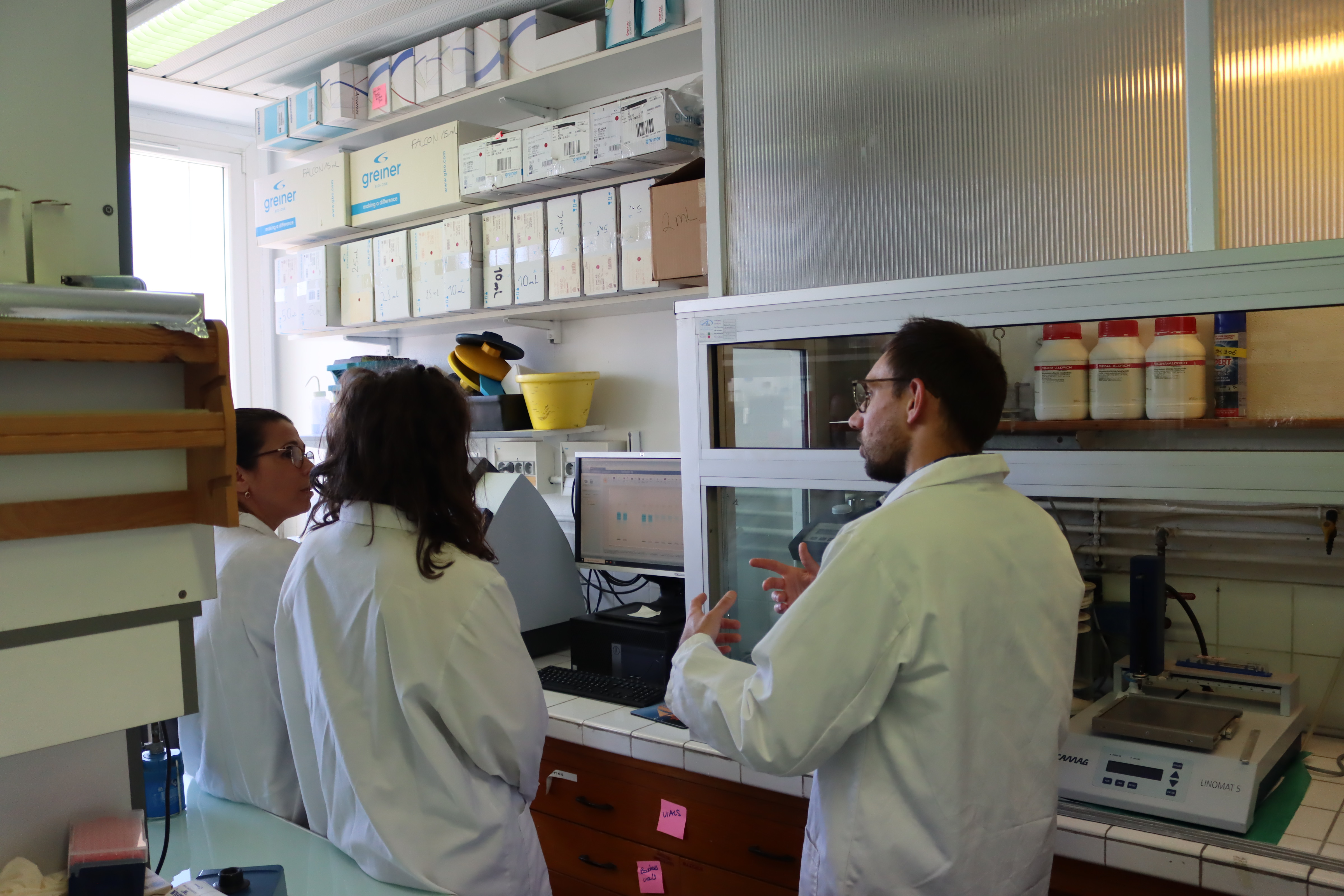
In practical terms, how did the IM2B call for projects help launch your research, and what were its outcomes for the community?
The IM2B call for projects was the first source of funding for our thematic group. It played a crucial role by providing both human and financial resources to kick-start the development of my research in Marseille. This initial support quickly led to high-quality results, which in turn enabled us to secure larger-scale research projects.
What impact have your research results had on the scientific community so far? Have there been any applied outcomes from your research so far?
For now, we are still in the early stages, but things are looking promising. We have developed genetic and analytical tools that have attracted a lot of interest from colleagues in the field. We are making every effort to make our data and tools widely accessible worldwide through public not-for-profit repositories so others can also benefit from them. Thus, they can explore biological questions that may move our fundamental research areas toward, hopefully, important translational applications.
At this stage, it’s still too early to draw definitive conclusions regarding the translational potential of our research. We will need time to refine our approaches and eventually apply them to generate meaningful translational gains. That said, we already have several promising ideas that need to be explored in the coming years.
If the IM2B project call helped initiate this research, what has contributed to its further development and sustainability?
Unfortunately, I would say that “sustainability” of our projects is still something we have to approach with caution. We are constantly seeking new sources of funding to recruit (and retain) talented young scientists who will, in turn, help drive the project forward. They are the driving forces in our projects. That said, over the past two years we have had an excellent success rate with various funding bodies such as the ANRS, the ANR, or the FEBS, which have enabled us to continue developing our projects.